
Recent data confirms what immigrant communities have been seeing across the country: U.S. Immigration and Customs Enforcement (ICE) is making more arrests, and many of those arrests are occurring quietly during ordinary activities.
For some noncitizens, this means that even domestic travel within the United States may create a significant risk of questioning, arrest, or immigration detention.
Federal immigration agents reportedly arrested 43,138 people in June 2026, the highest monthly number since the current administration took office. As of July 11, approximately 65,765 people were being held in immigration detention.
Recent enforcement has taken place outside homes, during traffic stops, at workplaces, at immigration check-ins, near courthouses, and at airports. What is troubling is that many people arrested by ICE have no criminal convictions, and some have been detained while attending required immigration check-ins or otherwise complying with government procedures.
Here are five important things to know before making travel plans.
1. A Domestic Flight Does Not Protect You From Immigration Enforcement
Many people assume that immigration issues arise only when traveling internationally or crossing the U.S. border. That is not correct.
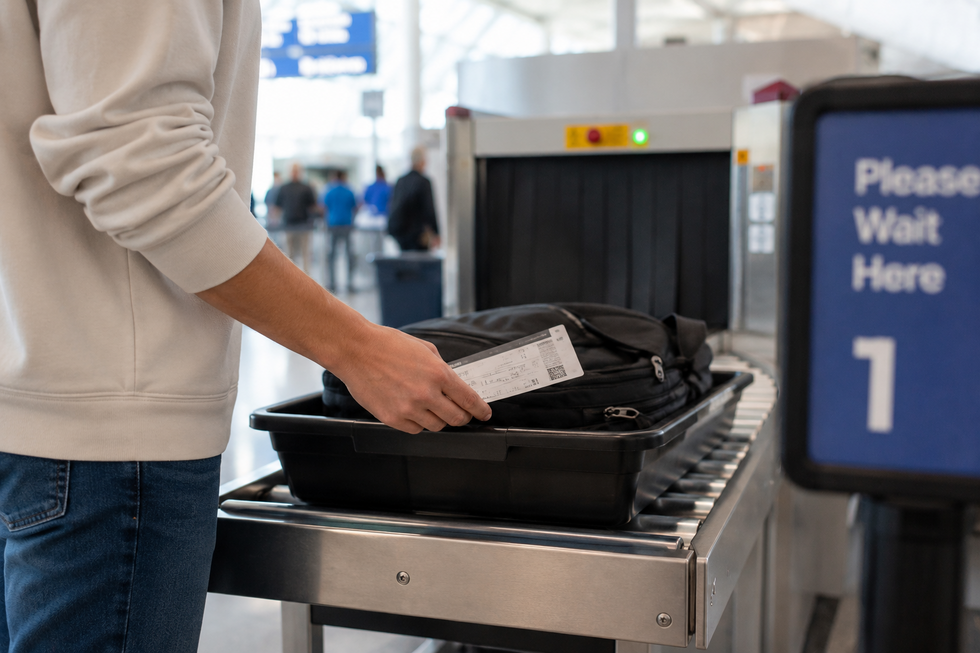
Airports are controlled environments where passengers must present identification and pass through a Transportation Security Administration (TSA) checkpoint. Federal agencies operating at airports may have access to passenger identity and travel information.
A recent arrest at Denver International Airport illustrates this risk. On July 20, 2026, ICE arrested a woman while she was boarding a flight from Denver to Oakland, California. She was removed from the jetway and taken into immigration custody at the detention facility in Aurora, Colorado.
The Department of Homeland Security (DHS) stated that she had remained in the United States beyond the period authorized by her visa. Her attorney, however, stated that she had a pending immigration case and valid employment authorization. The incident demonstrates that a domestic airline ticket, pending immigration application, or work permit may not prevent ICE from making an arrest.
2. A Pending Immigration Application or Work Permit Is Not the Same as Lawful Immigration Status
This distinction is extremely important. A person may be permitted to remain in the United States while an asylum application or another immigration case is pending. The person may also receive a valid employment authorization document allowing them to work legally.
However, a pending application and work permit do not necessarily give the person lawful immigration status, and they do not guarantee protection from arrest or detention.
ICE may attempt to detain someone who:
• Has a pending asylum application but no separate lawful status;
• Entered with a temporary visa and remained beyond the authorized period;
• Previously had parole, Temporary Protected Status, or another temporary protection that has expired;
• Has a prior removal or deportation order;
• Missed an immigration court hearing or a check-in;
• Is subject to an ICE supervision or reporting requirement;
• Has past or pending criminal convictions; or
• Has another unresolved immigration issue.
Asylum seekers are generally permitted to travel within the United States. However, immigration legal organizations now warn that arrest and detention risks have increased significantly in recent weeks, even for some people with pending asylum applications and valid work permits.
3. Certain Noncitizens Should Consider Postponing Unnecessary Air Travel
Not every noncitizen faces the same level of risk.
U.S. citizens generally do not face immigration consequences from domestic travel. Lawful permanent residents, people who have already been granted asylum, and individuals with clearly valid, unexpired Temporary Protected Status, Deferred Action for Childhood Arrivals, or another current status generally face a lower risk, although individual circumstances still matter.
The risk may be considerably higher for travelers who:
• Have a pending asylum case but no separate current immigration status;
• Overstayed a visa;
• Entered the United States without inspection;
• Previously received an order of removal;
• Have an unresolved immigration court case;
• Had parole or another temporary protection that ended;
• Have ever been arrested or convicted;
• Used incorrect or fraudulent documents or information in the past; or
• Are uncertain about their immigration history.
For people in these categories, it may be wise to postpone nonessential air travel until an immigration attorney has reviewed the case.
The government's enforcement strategy has also become less visible. Earlier operations often involved highly publicized raids in particular cities. Recent reports indicate that ICE has shifted toward quieter, targeted arrests during everyday encounters. In one recent five-day period, ICE reportedly arrested more than 10,000 people, with arrests occurring during traffic stops, immigration check-ins, and encounters on the street.
4. Driving, Taking a Bus, or Traveling by Train May Reduce Some Risks, but Does Not Eliminate Them
Air travel may create greater exposure because every passenger must verify their identity at a federal security checkpoint. However, other forms of transportation are not entirely risk-free.
Immigration officers may conduct enforcement activity:
• During traffic stops;
• At highway checkpoints;
• On long-distance buses or trains;
• Near the U.S.-Mexico or U.S.-Canada border;
• Within the broader border enforcement zone;
• At bus or train stations; or
• After contact with local law enforcement.
Long-distance bus and train passengers have sometimes been questioned about their immigration status. Immigration checkpoints are also located on certain highways, particularly in states near an international border.
Driving may involve less routine federal screening than flying, but it can still lead to contact with local police or immigration authorities. Any noncitizen driving should have a valid driver's license, maintain required automobile insurance, obey traffic laws, and make sure that the vehicle's registration and equipment are current to reduce the risk of being pulled over.
5. Prepare Before You Travel
Do not wait until an arrest occurs to learn whether there is a problem in your immigration history.
Before traveling, a noncitizen should consider speaking with an immigration attorney to determine:
1. Whether there is an existing removal or deportation order;
2. Whether an immigration court case is currently open;
3. Whether any visa, parole, Temporary Protected Status, or other protection has expired;
4. Whether a pending application provides any protection from removal;
5. Whether there are criminal or immigration records that could increase the risk of detention; and
6. What legal options may be available if ICE makes an arrest.
Travelers should also consider taking practical precautions:
• Carry the identification required for the trip.
• Carry proof of valid immigration status, if applicable.
• Keep copies of important immigration documents in a safe place.
• Make sure a trusted person knows your full name, A-number, travel plans, and attorney's contact information.
• Give a trusted person access to important family, medical, financial, and childcare information.
• Do not provide false information or false documents to an officer.
• Do not sign an immigration document that you do not understand.
• Ask to speak with an immigration attorney if you are detained.
Speak with an Immigration Attorney Before You Travel
Domestic travel is lawful for many noncitizens, but the level of risk depends on each person's immigration and court history. Before booking a flight, it may be important to determine whether you have a prior removal order, an open immigration court case, expired status or protection, a pending application without separate lawful status, or another issue that could increase the risk of detention.
At Lear Immigration Law, we help clients:
• Review their complete immigration history;
• Determine whether a removal order exists;
• Assess the risks of domestic or international travel;
• Evaluate pending asylum and immigration cases;
• Develop family and detention safety plans; and
• Understand possible defenses and release options following an ICE arrest.
If you are concerned about upcoming travel or uncertain how your current immigration situation affects your risk, a consultation can help you make a more informed decision before you leave. Contact our office to review your travel risk.
Legal Disclaimer: This article is for informational purposes only and does not constitute legal advice. For legal advice specific to your situation, please consult a qualified immigration attorney.
