
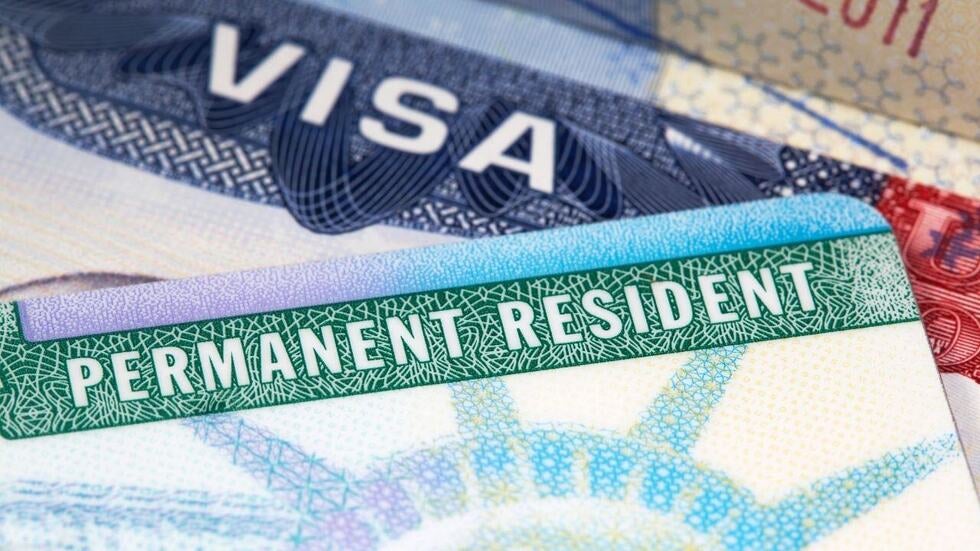
Last week, USCIS issued a new policy memorandum describing adjustment of status—the formal process for requesting lawful permanent residency, better known as applying for a green card—as an “extraordinary” discretionary benefit rather than a routine immigration pathway.
The announcement has caused understandable concern for many immigrants and families with pending or future green card applications.
Here are the four most important things to know right now:
1. Adjustment of Status Is NOT Ending
Despite alarming headlines, the memo does not eliminate adjustment of status (Form I-485) and does not automatically force everyone to leave the United States to complete consular processing abroad.
So far, this is a policy memorandum, and not a change to the immigration statute itself.
The memo mainly emphasizes that USCIS officers should use discretion when deciding adjustment applications and carefully review immigration history and status violations.
In other words: the legal eligibility rules have not changed, but officers may apply stricter scrutiny in some cases when applying discretion.
2. Green Card Applicants Will Face Increased Scrutiny
The memo specifically highlights factors USCIS may treat negatively, including:
• Visa overstays
• Unauthorized employment
• Status violations
• Alleged misrepresentation
• Conduct inconsistent with the purpose of a nonimmigrant visa (for example, tourist or student), including immigrant intent concerns
• Failure to depart after temporary admission or parole
This means the applicants may begin seeing:
• More Requests for Evidence (RFEs)
• More Notices of Intent to Deny (NOIDs)
• More discretionary review of adjustment applications
• Longer adjustment of status interviews
• More delays in processing
At the same time, many attorneys across the country believe the memo overstates current law and may eventually face legal challenges if USCIS applies it too aggressively.
Importantly, adjustment of status has always included a discretionary component, but historically, discretionary denials were relatively rare outside of serious fraud, criminal, or national security concerns.
Going forward, many adjustment cases will need stronger evidence showing why the applicant deserves a favorable exercise of discretion. This may include evidence of family unity, hardship to U.S. citizen or lawful permanent resident family members, long-term residence, work history, tax compliance, community ties, caregiving responsibilities, rehabilitation where relevant, and other positive equities.
In addition, applicants should be prepared to explain why consular processing may not be safe, realistic, or appropriate in their specific situation. For some people, leaving the United States could trigger unlawful presence bars, separate families for months or years, create serious hardship, or result in being stuck abroad because of consular delays, visa restrictions, travel bans, or lack of a functioning U.S. consulate in their country.
3. Many Immigration Categories Should NOT Be Directly Affected
Not every green card application is based on the same legal grounds.
The memo is focused primarily on adjustment applications under INA § 245(a), especially cases where consular processing abroad is theoretically available.
Some humanitarian and special categories should remain unaffected or have strong legal arguments against application of the memo, including refugee and asylee adjustment, Cuban Adjustment Act cases, and other special statutory pathways
Also, this memo should not affect many other immigration benefits or case types, including:
• Naturalization applications
• Removal of conditions petitions
• DACA renewals
• Asylum applications
• Work permit applications
• Temporary work visa petitions (H-1B, L-1, E-2, O-1, TN)
4. Immediate Relatives of U.S. Citizens Still Have Important Legal Protections
While the new memo may lead to increased scrutiny and discretionary review in some cases, it does not eliminate the statutory protections provided to the immediate relatives of U.S. citizens.
Congress specifically created exceptions for many immediate relatives to allow families to remain together and complete the green card process from inside the United States.
The immediate relatives of U.S. citizens may still adjust status despite visa overstays, unauthorized employment, or certain status violations that would otherwise bar adjustment for other categories of applicants.
What You Should Do Now – 6 Practical Steps
***There is no need for panic, but proceed carefully.***
If you currently have a pending adjustment application or are considering filing one, it is very important to do the following:
1. Carefully review your entire immigration history to identify any prior visa overstays, status violations, unauthorized employment, or inconsistencies in past applications
2. Obtain FOIA records and prior immigration filings where appropriate
3. Be prepared to explain why consular processing may not be appropriate in your case
4. Maintain lawful status whenever possible and avoid unnecessary international travel
5. Start collecting evidence showing why you deserve a favorable exercise of discretion.
6. Speak with an immigration attorney before applying or making major immigration decisions
Right now, the biggest unknown is how aggressively USCIS officers will actually implement this memo in day-to-day adjudications. Immigration attorneys nationwide are closely monitoring trends and early case outcomes.
Our office will continue tracking developments and providing updates as more information becomes available.
Speak with an Immigration Attorney
The most important takeaway is this: adjustment of status cases now require more preparation, more documentation, and more careful legal strategy than before.
Because this memo places greater emphasis on discretionary review, a thorough understanding of your immigration history and any potential risk factors is more important than ever. Careful review by a qualified immigration attorney now matters more than ever as well. Get a full legal review before filing, traveling, withdrawing an application, or switching to consular processing.
Unfortunately, we continue to see many cases where individuals try to handle filings on their own or rely on unqualified “helpers,” notarios, or “immigration consultants,” only to create much larger problems later, including denials, allegations of fraud or misrepresentation, placement in removal proceedings, and even immigration detention.
Before filing any immigration application, it is critical to fully understand your immigration history, prior entries, prior filings, unlawful presence issues, possible inadmissibility concerns, and any risks associated with travel or consular processing.
In many cases, obtaining FOIA records and carefully reviewing prior applications and government records can make a significant difference in avoiding serious long-term consequences.
If you have a pending green card case or are considering filing one, do not make decisions based on headlines, fear, or informal advice. Our office helps clients to:
• Carefully evaluate immigration risks before filing
• Review complex immigration histories and prior government records
• Obtain and analyze FOIA records
• Prepare thorough and strategic adjustment of status applications
• Address inadmissibility, unlawful presence, and prior immigration violations
• Respond effectively to RFEs, NOIDs, and other USCIS challenges
• Build strong evidence of positive discretionary factors
Schedule a Case Review to speak with a qualified immigration attorney about your case.
Legal Disclaimer: This article is for informational purposes only and does not constitute legal advice. For legal advice specific to your situation, please consult a qualified immigration attorney.

Comments
There are no comments for this post. Be the first and Add your Comment below.
Leave a Comment