
Recent policy changes and enforcement trends mean that filing an immigration application incorrectly, or without fully understanding the risks, can have far more serious consequences than in the past.
Under current USCIS policy, a denial of an immigration application does not always end with a simple “no.”
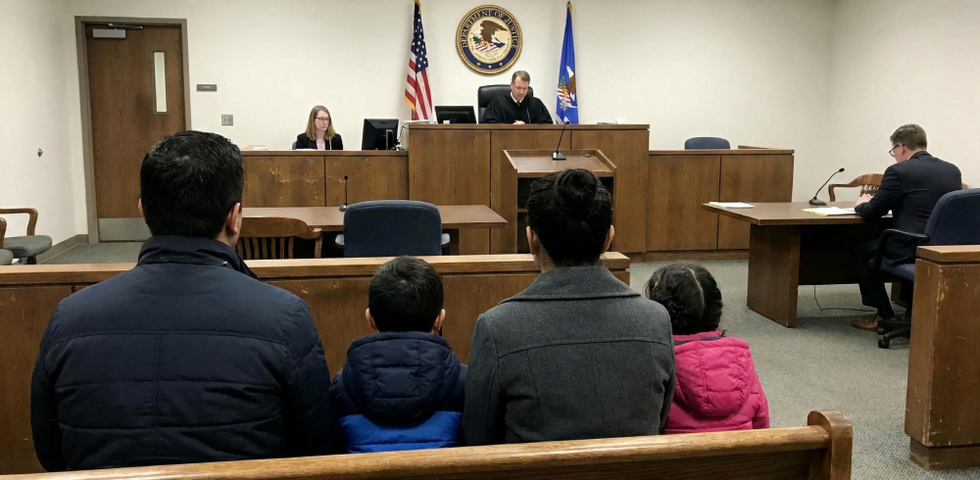
In many cases, a denial can now result in the government issuing a Notice to Appear (NTA), which is the document that places a person into immigration court (removal proceedings).
Once a case is in immigration court, the stakes are significantly higher and the process becomes far more complex.
What Has Changed?
USCIS has expanded when it will issue NTAs after denying applications. This includes situations where:
● A person is found to be out of lawful status at the time of denial
● USCIS believes there may be fraud or misrepresentation, even if unintentional
● There is criminal history, prior immigration violations, or prior denied cases
● Even when an application is withdrawn or abandoned, USCIS can issue a NTA if it believes the person is still removable
At the same time, there has been an increase in immigration enforcement activity by ICE, including reports of individuals being detained during or immediately after USCIS interviews in certain parts of the country.
Why Preparation Matters
These developments make one thing very clear: Immigration filings are no longer “low-risk, do-it-yourself paperwork.”
Every application and the applicant's complete situation must be carefully evaluated before filing to understand:
● Whether the applicant is truly eligible
● Whether filing could expose the person to immigration court
● Whether there are safer strategies or alternative forms of relief
● How to prepare for interviews and possible enforcement risks
Mistakes, omissions, or rushed filings can unintentionally place someone on the government's enforcement radar.
Our Approach
At Lear Immigration Law, we take a risk-assessment approach to every case. That means:
● Thorough screening before filing
● Honest conversations about strengths, weaknesses, and potential consequences
● Careful preparation of applications and supporting evidence
● Strategic planning for interviews and next steps
Our goal is not just to file applications, but to protect our clients and their families while pursuing the best possible outcome.
If you are considering filing an immigration application, responding to a request from USCIS, or attending an upcoming interview, do not do it without first getting competent legal representation.
What you do (or don't do) now can have long-term consequences for you and your family.
If you have questions about your case or want to understand your risks before filing, we are here to help.
Legal Disclaimer: This article is for informational purposes only and does not constitute legal advice. For legal advice specific to your situation, please consult a qualified immigration attorney.
