
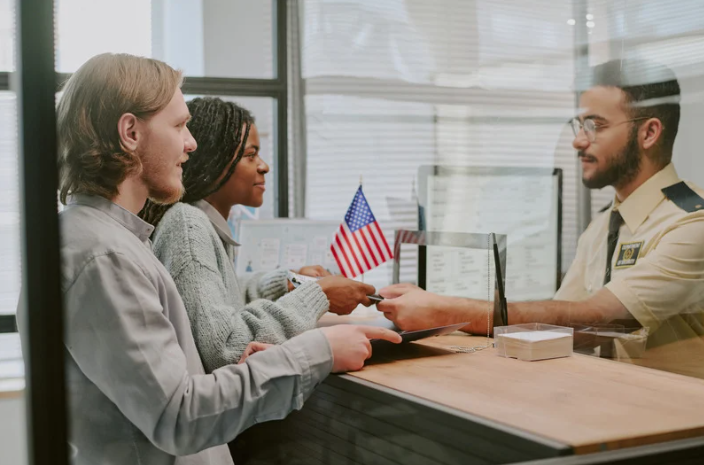
In 2026, major changes to U.S. immigration policy are causing widespread confusion and delays.
The federal government has implemented:
• A travel ban affecting dozens of countries
• A pause on immigrant visa issuance for 75 countries
• USCIS processing holds, pauses and case re-reviews
These policies are already impacting families both inside and outside the United States.
If you or a loved one are waiting on a visa or green card, here's what you need to know.
Immigrant Visa Pause for 75 Countries
The U.S. Department of State has paused immigrant visa issuance for nationals of 75 countries as of January 21, 2026.
What Countries Are Affected?
|
Afghanistan |
Ethiopia |
Nepal |
|
Albania |
Fiji |
Nicaragua |
|
Algeria |
The Gambia |
Nigeria |
|
Antigua and Barbuda |
Georgia |
North Macedonia |
|
Armenia |
Ghana |
Pakistan |
|
Azerbaijan |
Grenada |
Republic of the Congo |
|
Bahamas |
Guatemala |
Russia |
|
Bangladesh |
Guinea |
Rwanda |
|
Barbados |
Haiti |
Saint Kitts and Nevis |
|
Belarus |
Iran |
Saint Lucia |
|
Belize |
Iraq |
Saint Vincent and the Grenadines |
|
Bhutan |
Jamaica |
Senegal |
|
Bosnia and Herzegovina |
Jordan |
Sierra Leone |
|
Brazil |
Kazakhstan |
Somalia |
|
Burma |
Kosovo |
South Sudan |
|
Cambodia |
Kuwait |
Sudan |
|
Cameroon |
Kyrgyz Republic |
Syria |
|
Cape Verde |
Laos |
Tanzania |
|
Colombia |
Lebanon |
Thailand |
|
Cote d'Ivoire |
Liberia |
Togo |
|
Cuba |
Libya |
Tunisia |
|
Dem. Rep. of the Congo |
Moldova |
Uganda |
|
Dominica |
Mongolia |
Uruguay |
|
Egypt |
Montenegro |
Uzbekistan |
|
Eritrea |
Morocco |
Yemen |
What happens during the visa pause?
Visa interviews are still scheduled and conducted but visas are not issued after the interview.
Instead, most cases are placed into 221(g) administrative processing.
What is the reason for the visa pause?
The reason for the pause is tied to increased scrutiny under the “public charge” rule.
It means that the government is evaluating whether applicants may be likely to rely on public benefits once in the United States.
Why are visa interviews still happening?
There are several reasons:
• The government continues conducting background and security checks.
• The case may be ready for approval once policies change or pause is lifted.
• The applicant may qualify for an exception or waiver, such as national interest, dual nationality processing, or humanitarian exceptions.
Most applicants currently receive a 221(g) administrative processing notice.
However, some may receive a 212(f) refusal under the travel ban and would need to reapply.
Does this cancel my immigration petition?
No. A visa refusal due to the travel ban or visa pause does NOT cancel your approved petition (Form I-130 or I-140).
The case may move forward once restrictions are lifted.
However, delays can still create complications, such as:
• Family changes over time
• Changes in employment sponsorship
• Expiring supporting documents
USCIS Processing Delays and Application Pauses
USCIS has also implemented new policies affecting applicants already inside the United States, including pausing final decisions on many applications, re-reviewing previously approved cases, and increasing scrutiny for applicants from certain countries.
Who is Affected?
Individuals from "High-Risk" Countries:
|
Afghanistan |
Haiti |
Somalia |
|
Angola |
Iran |
South Sudan |
|
Antigua and Barbuda |
Laos |
Sudan |
|
Benin |
Libya |
Syria |
|
Burkina Faso |
Malawi |
Tanzania |
|
Burma |
Mali |
The Gambia |
|
Burundi |
Mauritania |
Togo |
|
Chad |
Niger |
Tonga |
|
Cote d'Ivoire |
Nigeria |
Turkmenistan |
|
Cuba |
People with Palestinian Authority-Issued travel documents |
Venezuela |
|
Dominica |
Republic of the Congo |
Yemen |
|
Equatorial Guinea |
Senegal |
Zambia |
|
Eritrea |
Sierra Leone |
Zimbabwe |
|
Gabon |
What Immigration Applications are Affected?
• Green Card Applications (Adjustment of Status)
• Citizenship Applications (including already scheduled oath ceremonies)
• Asylum Cases (currently paused nationwide regardless of nationality or country of birth)
• Nonimmigrant Visa Applications (ex. H-1B, TN, O-1 visas)
Note that limited application types will continue to be decided, despite the pause.
Speak to an attorney to determine if you fall into one of the exceptions.
When Will These Pauses End?
There is currently no announced timeline for when these delays will end.
What Should You Do If You're Affected?
The combination of recent travel bans, visa issuance pauses, and USCIS processing delays has created one of the most restrictive immigration environments in recent years.
Many applicants are now facing uncertain timelines and prolonged separation from family members.
But these policies are still evolving, and there may be strategic options available depending on your situation as each case is unique.
If you or your loved ones are affected by the USCIS processing pause or immigrant visa pause, it is more important than ever to get case-specific guidance.
An experienced immigration attorney is able to assist you with:
• Navigating visa delays and consular processing issues
• Evaluating whether to proceed with interviews
• Identifying exceptions and legal strategies
• Protecting your cases during long processing pauses
If you have questions about your situation or want to understand your options, our office is here to help.
You can start by scheduling a consultation to discuss your case.
Legal Disclaimer: This article is for informational purposes only and does not constitute legal advice. For legal advice specific to your situation, please consult a qualified immigration attorney.
